In an age where digital channels dominate the marketing landscape, the tactile appeal of leaflets can still capture consumers’ attention uniquely and positively. Leaflet distribution offers a tangible touchpoint that intersects the physical and the digital, creating a seamless customer journey from mailbox to online platforms. By integrating strategic design and precise targeting, leaflets offer an effective tool for businesses to communicate their message. Companies that are experts at this exemplify how traditional marketing methods can be revitalized to complement digital strategies, ultimately boosting brand visibility and engagement in a well-rounded marketing mix.
Understanding the Impact of Leaflet Distribution in Modern Marketing
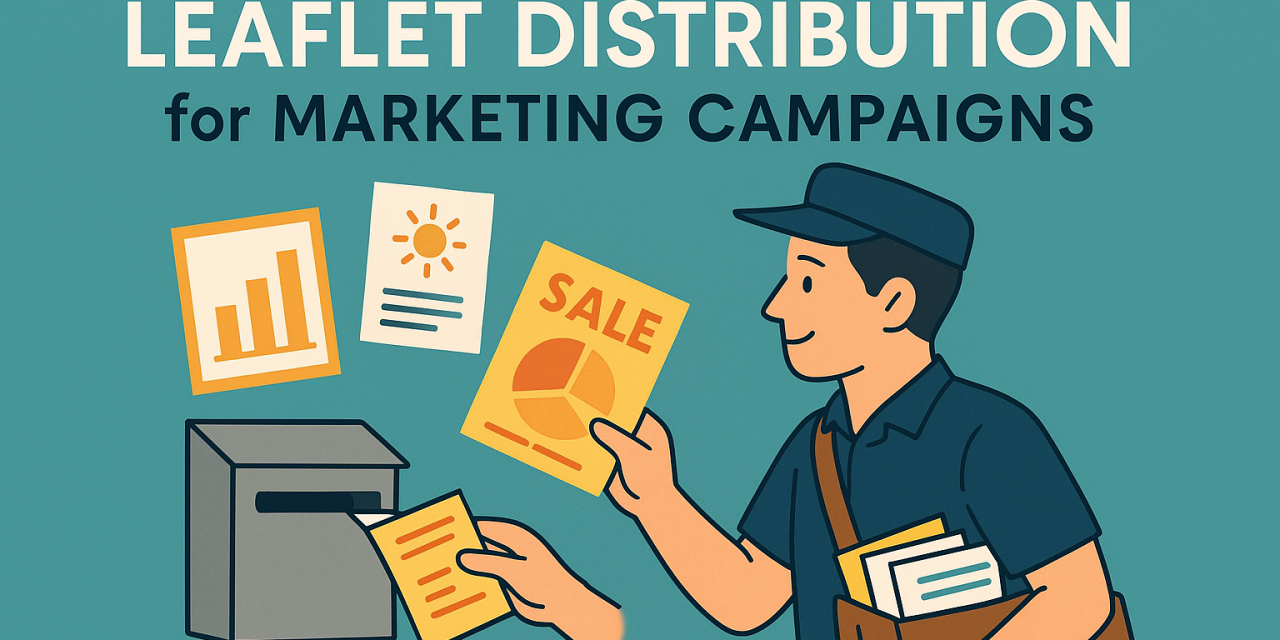
Despite the rise of online advertising, the physical nature of leaflets allows for an undeniably direct marketing approach. When done correctly, leaflet distribution generates brand awareness and leads by placing promotional materials directly into the hands of potential customers. This method is compelling in local markets, where businesses can localize their efforts to reach the audience within their immediate geographical area.
Leaflet distribution encourages a tactile interaction that is less common in the digital era. Studies demonstrate that people tend to remember information better when they engage with it physically, suggesting a potential advantage for physical leaflets. Additionally, this kind of marketing is not bound by ad-blockers or the paywalls that can limit the reach of digital adverts, ensuring visibility is maintained.
The importance of targeting cannot be overstated in the context of leaflet distribution. Marketers utilize data-driven strategies to pinpoint demographics likely to respond positively to their campaigns. These insights help to distribute leaflets more effectively, reducing waste and enhancing the potential for conversion.
Suppose you’re looking to use leaflet distribution in your area. In that case, a quick online search can help you find local services—for example, try searching for “Leaflets London” to discover companies that specialize in designing, printing, and distributing promotional materials within specific neighborhoods. This localized approach ensures your marketing efforts are well-targeted and more likely to reach the right audience.
The Psychology Behind Leaflet Marketing: Capturing Consumer Attention
Leaflet marketing leverages several psychological principles to captivate consumers. The mere-exposure effect, for instance, is a phenomenon where people develop a preference for things merely because they are familiar with them. Through repeated leaflet drops, brands can cultivate a sense of familiarity and preference amongst their target audience.
The physical act of receiving a leaflet can generate a sense of reciprocity in consumers. This principle suggests that individuals may respond more favourably to a company after receiving something free, such as a leaflet or a sample. This can lead to increased engagement or even financial transactions from customers.
Moreover, leaflets can provoke curiosity and prompt direct action. By including compelling calls-to-action (CTAs) and incentives, such as discounts or limited-time offers, companies can tap into the psychological triggers that encourage consumers to act quickly to take advantage of a promotion.
A well-designed leaflet can also tell a story or evoke emotions, driving a deeper connection with the brand. The use of colour, imagery, and messaging is instrumental in capturing the attention and imagination of the target audience, ultimately leading to a more memorable marketing experience.
Comparing Leaflet Distribution with Digital Marketing Strategies
Leaflet distribution and digital marketing are often viewed as opposites, yet they can complement each other effectively. Leaflets provide a physical component that digital marketing lacks, potentially creating a more holistic brand experience. Conversely, digital marketing has greater reach and can engage audiences at scale, which can be logistically challenging and costly for leaflets.
Cost considerations are also an essential factor. Leaflet distribution can be more budget-friendly for small to medium businesses than the high cost of digital ad space, particularly in competitive industries. However, investing in digital marketing could result in a broader reach and the ability to track metrics and adjust campaigns in real time easily.
Tracking the performance of leaflet campaigns can be trickier than digital ones, which offer analytics and insights into consumer behavior almost instantaneously. Yet, monitoring methods such as unique offer codes or QR codes on leaflets can bridge this gap, linking offline efforts with online analytics platforms.
Overall, leaflet distribution remains a valuable marketing tool because it offers a tangible and personal touchpoint that digital methods often lack. Integrating thoughtfully with digital strategies enhances brand visibility, reinforces messaging, and contributes to a more comprehensive and effective marketing campaign.