
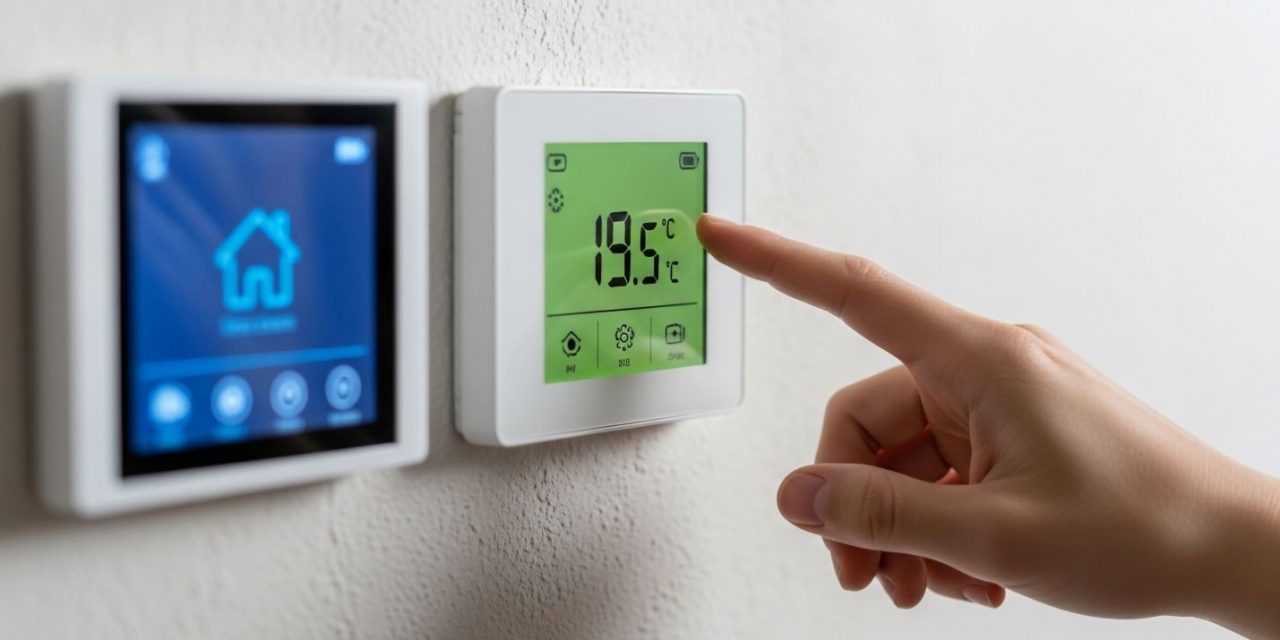
The modern home is undergoing a technological revolution, with intelligent systems transforming how everyday tasks are managed. Among the most impactful of these innovations is the smart heating system. Moving beyond the simple programmable timer, these advanced systems offer unprecedented control over a home’s climate, promising a perfect synergy of personalised home’s comfort and significant financial savings.
By leveraging connectivity, automation, and precise zoning, homeowners can now create a consistently pleasant and remarkably energy-efficient environment, reducing both their carbon footprint and energy bills.
Here’s what to know about building a smart home heating system for maximum comfort and savings.
The Core Components: Intelligent Control and Zoning
The central command unit, typically a smart thermostat controller, is at the heart of any smart heating system. This device replaces the old-fashioned thermostat, acting as the brain of the entire operation. These sophisticated units learn household patterns, can be controlled remotely via smartphone apps, and often integrate with larger smart home ecosystems. Investing in great smart thermostat controllers is essential. It provides a comprehensive overview of the home’s heating, allowing for easy scheduling and manual overrides from anywhere with an internet connection.
Furthermore, to achieve true room-by-room zoning, the central thermostat must be complemented by peripheral devices. This is where using quality smart radiator valves becomes essential. These are installed on individual radiators, replacing manual thermostatic valves (TRVs). Each smart valve operates as an independent thermostat, communicating wirelessly with the central controller. This allows occupants to set unique temperature targets for each room, ensuring the home office is warm during working hours while the bedroom remains cooler until the evening.
Weather Compensation and Intelligent Boiler Control
Weather compensation technology is a further layer of sophistication in advanced smart heating systems. This feature involves an external sensor mounted on the side of the home that monitors the outside temperature. The system uses this real-time weather data to proactively adjust the water temperature sent to the radiators. On a milder day, the boiler doesn’t need to heat water to its maximum temperature to effectively warm the house.
By running the boiler at a lower, more efficient flow temperature, it operates in a condensing mode for extended periods, significantly increasing its energy efficiency and reducing gas consumption. This intelligent modulation can prevent the boiler from short-cycling, which is inefficient and causes wear and tear. Instead, it allows for longer, slower burns that are far more economical and better for the boiler’s longevity, contributing to utility savings and comfort by providing a more consistent, gentle heat.
Strategic Implementation for Optimal and Energy-Efficient Performance
Installing a smart heating system requires careful planning to maximize its benefits. The first step is thoroughly assessing the home’s layout, insulation quality, and heating infrastructure. A well-insulated home will retain heat more effectively, allowing the smart system to work more efficiently. Some key areas to consider for zoning include bedrooms, living areas, and frequently unoccupied spaces like spare rooms or storage areas.
Scheduling is another critical function. Rather than maintaining a constant temperature, the system should be programmed to lower the heat when the house is predictably empty, such as during work hours or vacations, and to warm it up just before occupants return. The geofencing feature available on many smart thermostats can enhance this further by using smartphone location to detect when residents are away, automatically adjusting the temperature to an energy-saving mode, and then resuming comfort settings as they approach home.
Furthermore, many modern systems feature machine learning algorithms. These algorithms observe manual adjustments and behavioral patterns over time, eventually automating schedules to preemptively meet the household’s needs without requiring constant manual input. This adaptive learning can ensure the system becomes more efficient and attuned to the residents’ lifestyle.
Quantifying the Benefits: Comfort Meets Economy
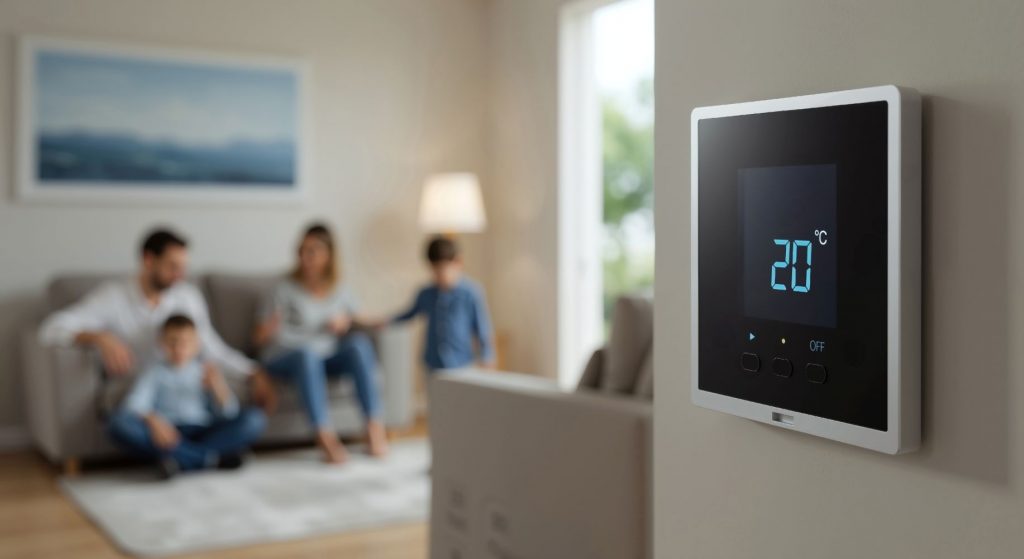
The advantages of a smart heating system are tangible and multifaceted. Financially, the reduction in energy consumption directly translates to lower utility bills. By eliminating the waste associated with heating empty rooms and allowing the boiler to operate for shorter, more targeted periods, households can see a significant decrease in annual heating costs, often recouping the initial investment within a few seasons.
From an environmental perspective, using less fossil fuel or electricity for heating can help reduce the home’s carbon emissions, contributing to broader sustainability goals. In terms of comfort, the system eliminates the frustrations of cold spots and overheated areas, creating a consistently agreeable environment tailored to individual preferences in every room. This precise control can improve sleep quality by maintaining overnight cooler, optimal bedrooms’ temperatures.
Finally, the convenience factor can’t be overstated. The ability to adjust heating from a mobile device, receive maintenance alerts, and have the system largely run itself provides a modern convenience that simplifies home management. For households with varying schedules, this flexibility is invaluable, ensuring comfort is always available without the penalty of wasted energy.
Conclusion
Building a smart home heating system is a strategic upgrade that pays dividends in comfort, convenience, and cost savings. By keeping the information mentioned above in mind, homeowners can transform their static heating into a dynamic, responsive, and highly efficient system. This intelligent approach to climate control represents a significant step forward in home management, aligning modern living with economic and environmental responsibility.